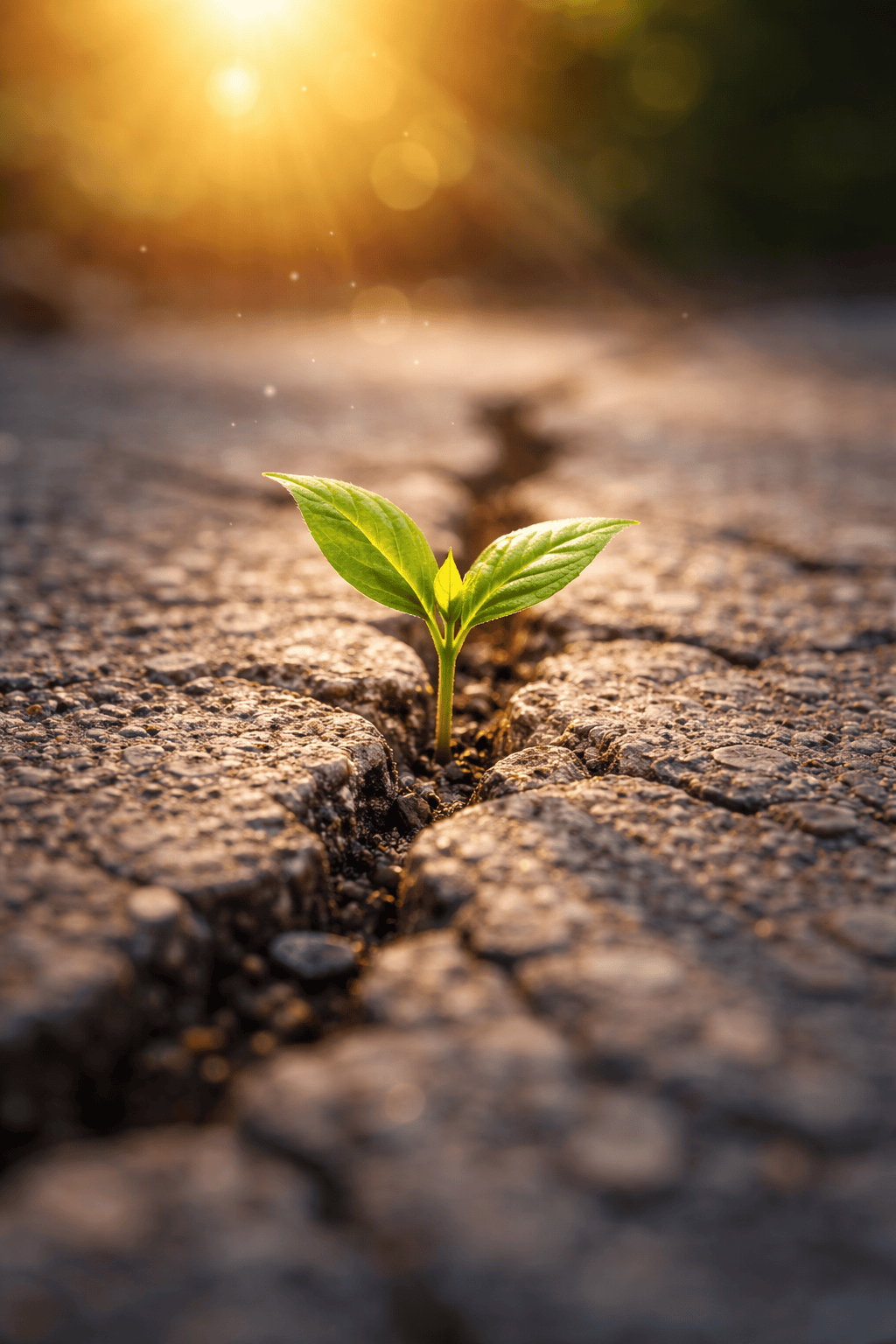
The Bhagavad Gita teaches: “Elevate yourself through the mind; do not degrade yourself; it is both friend and enemy.” It tells us “I can,” yet creates fear and doubt. With positive thinking, good company, and willpower, we overcome challenges. Mental strength begins with a self-aware, open mind.

मानसिक शक्ति और लचीलापन
(By Sapna Sarkar from Indore)
What is Mental Resilience?
(by Rashmi Lodha from Gurugram)

When my friend asked about mental resilience, I paused. The instinct was to reach for a definition—but instead something else came up, to what it actually feels like to live it. For me, it first showed up physically. That moment when the body wants to stop, but you don’t. One more rep. One more burpee. Adjusting form when it would be easier to let it slide. Nothing heroic—just a quiet refusal to quit. A kind of integrity towards oneself, I think.
Resilience: The Power to Bounce Back
(by Dharmendra Pandey, Delhi)
The word Resilience comes from the Latin verb resilire meaning to jump back, to recoil or to rebound. The term combines re – (back) and salire (to jump or (leap). Resilience is the ability to withstand, recover, and adapt in the face of adversity, trauma, or stress. It's about being able to absorb the impact and bounce back stronger. We can think of it like a rubber band – we can stretch it to its limits but it comes back as soon as we let go of it. Or a tree that bends against a very strong wind but comes back to its original form when the wind subsides. This happens due to the inborn resilience to cope up with the external or internal pressure.
The same goes with life when we face the stress, challenges or adversities in life. Resilience can be considered as an I CAN attitude, the fighting spirit, the indomitable energy, irrespective of any or many failures, setbacks, challenges or traumas and so on. As is a famous Hindi dialogue saying ‘डर के आगे जीत है’ i.e. victory is only after we cross the fear of failure. Resilience is the Shield that keeps us facing these demons of stress, setbacks, anxieties.
Swami Vivekananda taught that “greatest sin is to believe that you are weak”. Resilience comes from recognizing our inner strength, which Swami Ji believed is infinite. When we're not resilient, we might struggle to cope, give up easily, and experience burnout. On the other hand, resilience helps us develop coping mechanisms, build confidence, and foster growth. By cultivating resilience, we can navigate life's challenges with more ease and achieve our goals, leading to a more fulfilling life. Resilience is a virtue that can be developed, and it's worth investing in.